Paediatric Orthopaedic Care in Mumbai (2026): A Parent’s Guide to Child Bone & Joint Health
A practical overview for families looking for a paediatric orthopaedic doctor in Mumbai—covering common childhood bone and joint concerns, when to seek evaluation, and everyday care tips.
Why paediatric orthocare matters for growing kids
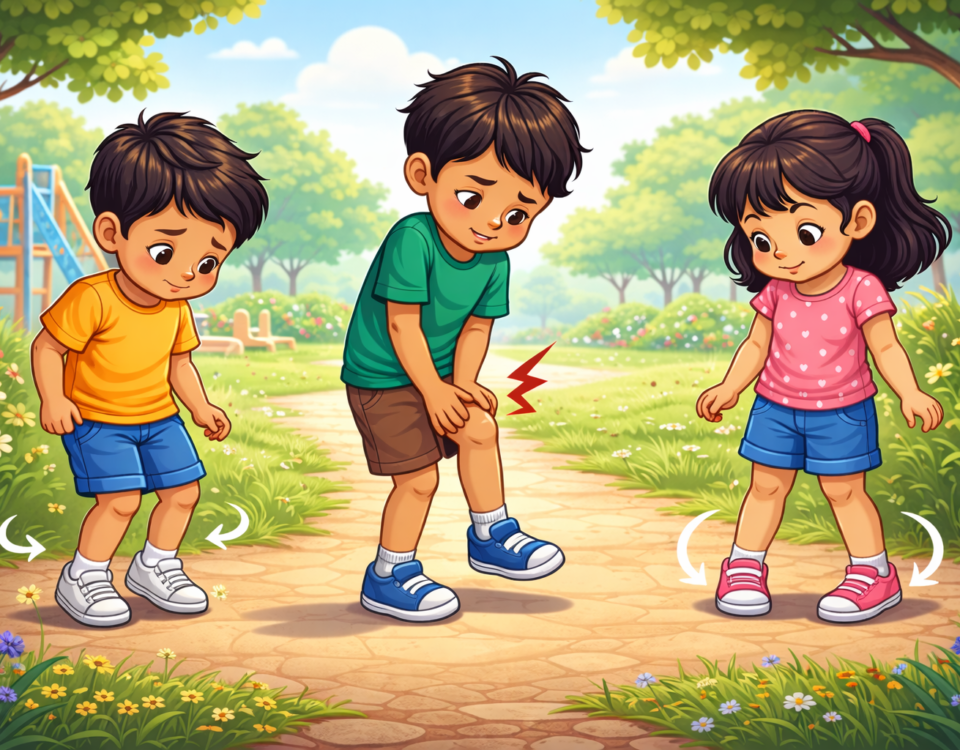
Children are constantly growing—bones lengthen, muscles strengthen, and walking patterns evolve. Because of this, a child’s bone and joint concerns are assessed differently from adult orthopaedic problems. What looks “minor” today (frequent falls, foot pain, a limp, or unusual leg alignment) can sometimes be linked to posture, footwear, growth stage, or an injury that needs attention.
What is paediatric orthopaedic care?
Paediatric orthopaedics focuses on the diagnosis and management of bones, joints, muscles, posture, and movement in infants, toddlers, children, and adolescents. The approach considers:
- Age and growth stage (what is typical at each stage)
- Activity level (sports, play, school routines)
- Walking pattern and posture changes over time
- Injury history and recovery needs
Many conditions are assessed with history + examination. Imaging or additional tests may be considered depending on findings.
Common child bone & joint concerns parents search for in Mumbai
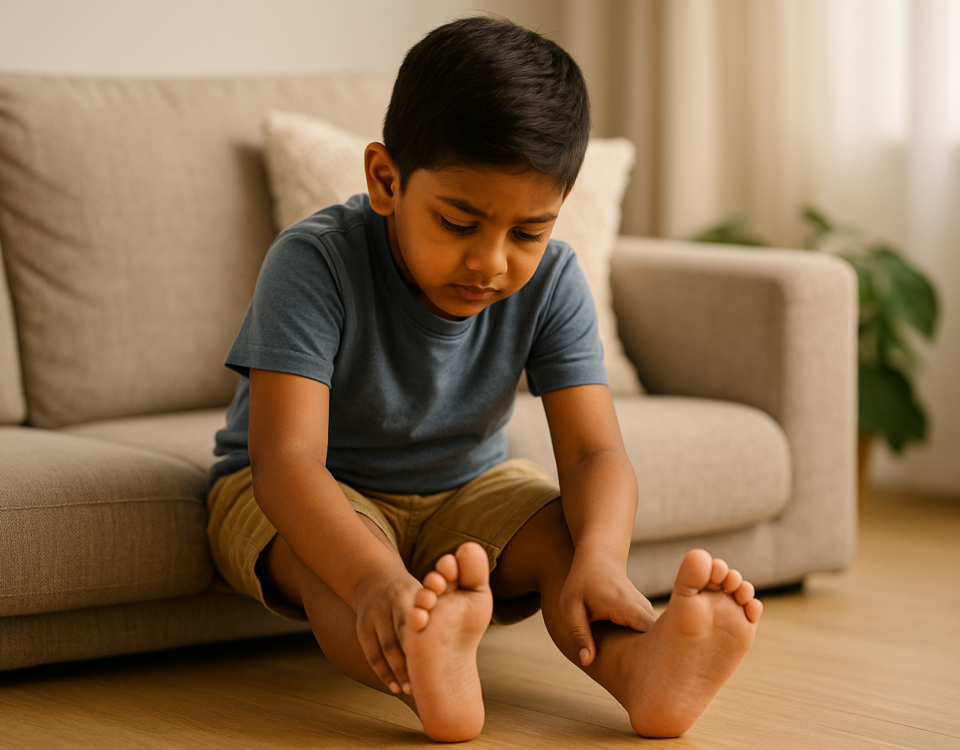
1) Flat feet in children
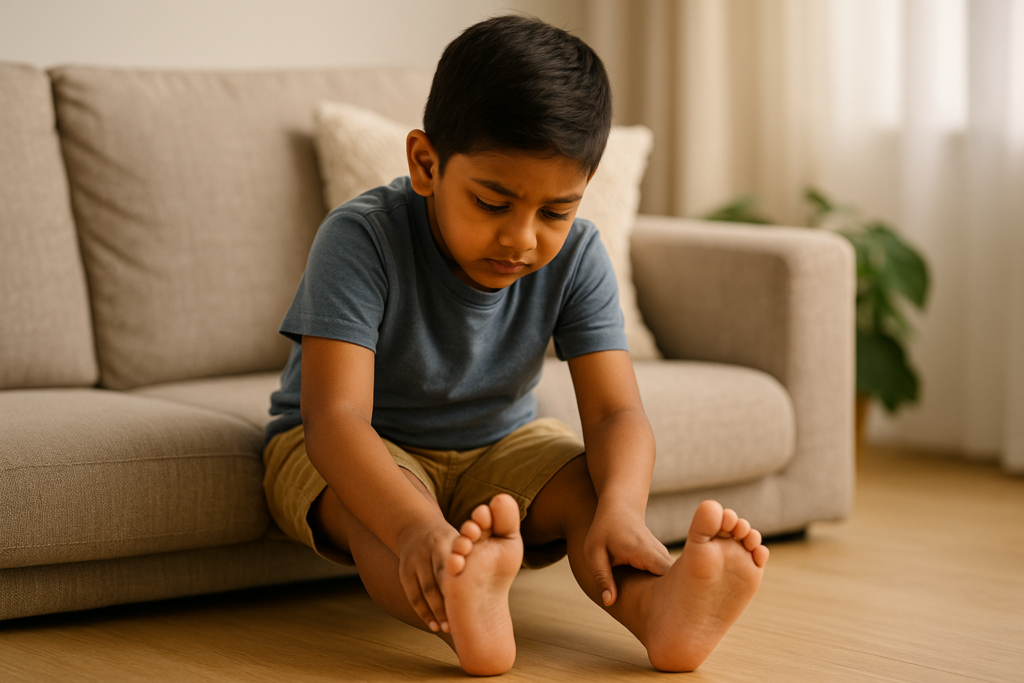
Flat feet are common in younger kids. In many cases, the arch develops gradually. Families often seek advice when flat feet come with pain, tiredness while walking, frequent tripping, or reduced interest in play.
2) Knock knees & bow legs
Leg alignment changes during growth can be normal at certain ages. Assessment may be helpful when the alignment looks significantly uneven, worsens, or affects walking and running.
3) Limping child
Limping can follow an injury, a sprain, or irritation in the hip/knee/ankle. If limping persists or repeatedly returns, it’s worth getting it checked.
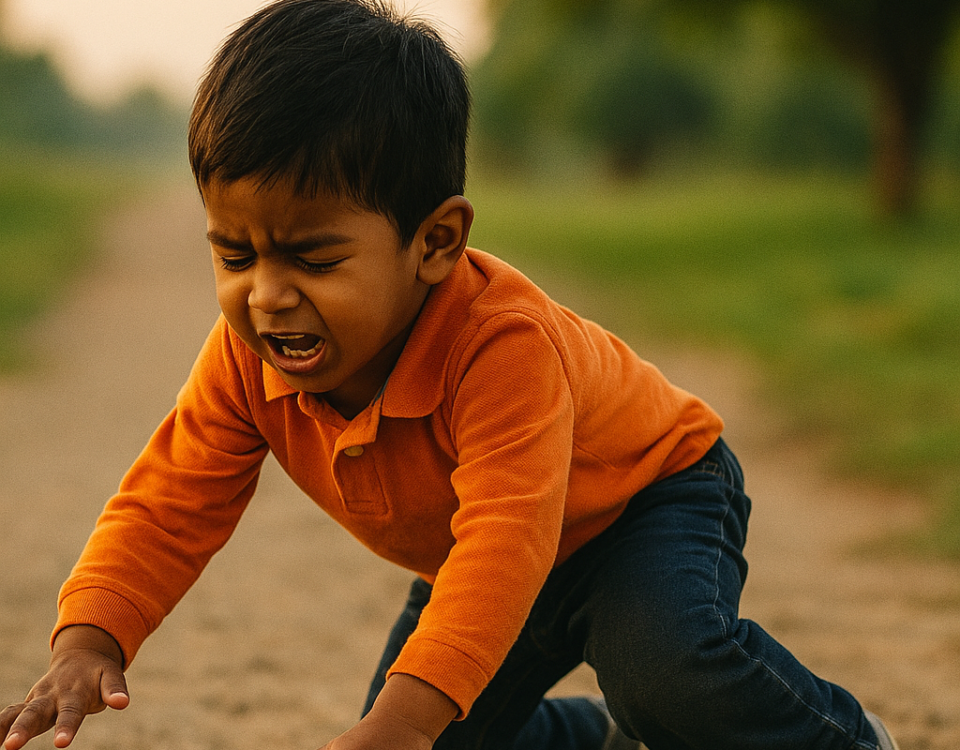
4) Fractures & fall-related injuries
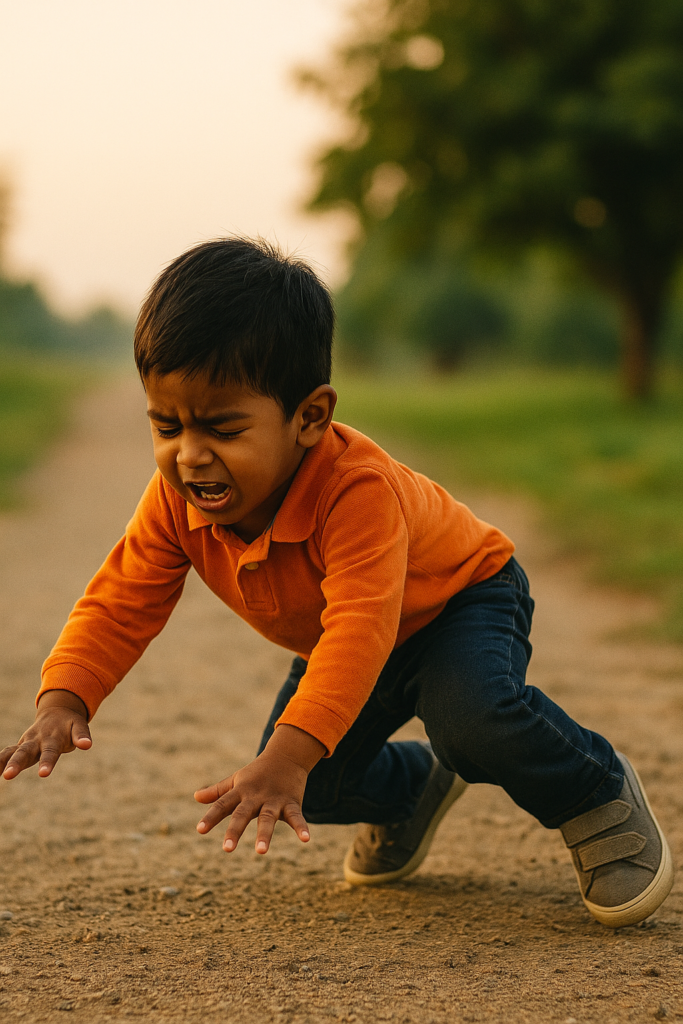
Falls are part of childhood—especially in active kids. The key is ensuring the injury is assessed appropriately and the limb is protected during healing, based on clinical advice.
5) Sports injuries in children
With more school sports and structured training, kids can experience sprains, overuse pain, tendon irritation, or joint discomfort. Guidance often involves activity modification, rehabilitation exercises, and return-to-sport planning.
6) Child joint pain & “growing pains”
Some aches can be related to activity or growth, but persistent pain, pain with swelling, or pain that affects walking should be evaluated.
When to consult a paediatric orthopaedic doctor
Parents commonly consider an orthopaedic evaluation when a child has:
- Foot, ankle, knee, or hip pain lasting more than a few days
- Visible leg alignment concerns (bow legs / knock knees)
- Limping, repeated falls, or reduced balance
- Swelling, stiffness, or pain after injury
- Difficulty returning to normal play or sports
- Ongoing pain that affects school routine or sleep repeatedly
How paediatric orthopaedic evaluation typically works
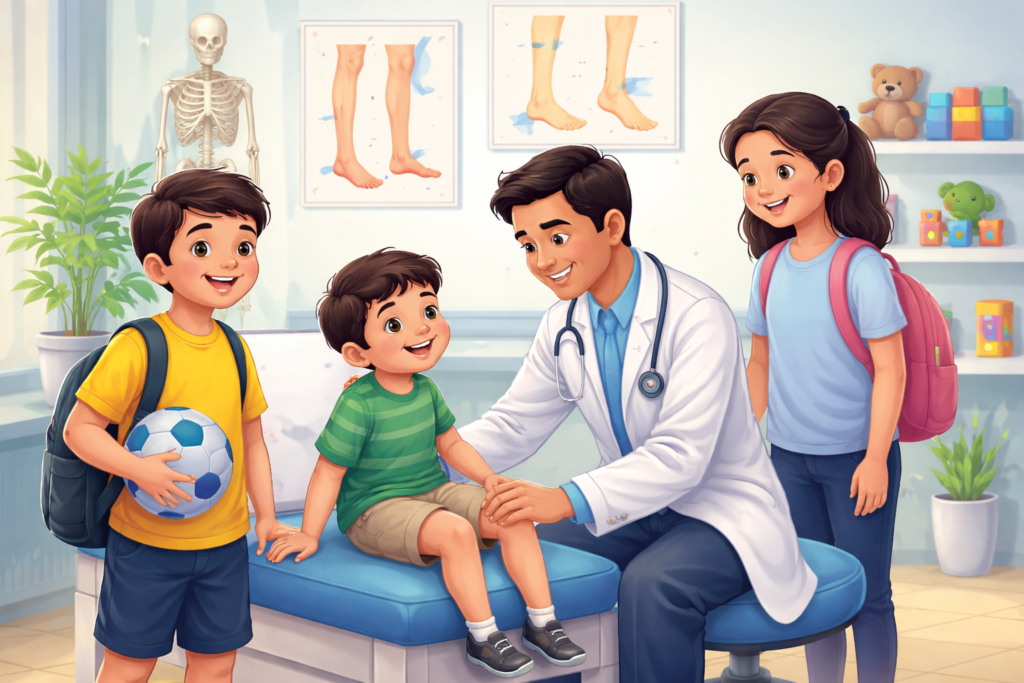
A child orthopaedic consultation often includes a detailed discussion + examination. Depending on the complaint, the doctor may:
| What’s assessed | Examples |
|---|---|
| History & symptoms | Pain pattern, injuries, sports activity, footwear, growth milestones |
| Movement & posture | Walking pattern, balance, foot position, leg alignment |
| Joint & muscle checks | Range of motion, tenderness points, strength, flexibility |
| Investigations (if needed) | Imaging or tests may be considered depending on examination findings |
The care plan depends on the child’s age, severity of symptoms, and day-to-day activity requirements.
Everyday orthocare tips for parents
- Footwear: choose flexible, comfortable shoes for daily use; avoid overly rigid shoes for routine walking.
- Activity balance: mix sports with rest days; repeated pain after activity should be discussed.
- Posture awareness: watch for consistent toe-walking, inward walking, or asymmetry.
- Healthy routine: nutrition + sleep + hydration support overall musculoskeletal health.
- After injury: swelling, persistent pain, or difficulty bearing weight should be checked.
Paediatric orthopaedic care in Mumbai: locations parents often search
Families commonly look for a child bone specialist across Mumbai and nearby suburbs. If your clinic serves specific areas, you can customise this section with your exact coverage.
- Central Mumbai
- Western suburbs (e.g., Borivali, Kandivali, Malad, Goregaon)
- Eastern suburbs
- Nearby Navi Mumbai (if applicable)
FAQs
What does a paediatric orthopaedic doctor treat?
Child bone and joint concerns such as flat feet, knock knees/bow legs, limping, sports injuries, fractures, posture concerns, and joint pain—while considering growth and development.
Is leg pain always “growing pain”?
Some aches can be activity-related, but pain that is persistent, recurring, associated with swelling, or affects walking should be evaluated.
Do all children with flat feet need treatment?
Not always. Many children have flexible flat feet without symptoms. An assessment is helpful when pain, fatigue, imbalance, or walking difficulty is present.
Are X-rays always necessary?
No. A clinical examination often provides clarity. Imaging may be considered depending on injury history and examination findings.
When should I consult a child bone specialist in Mumbai?
If your child has persistent foot/knee pain, limping, repeated falls, noticeable leg alignment concerns, or difficulty returning to normal activity after an injury.