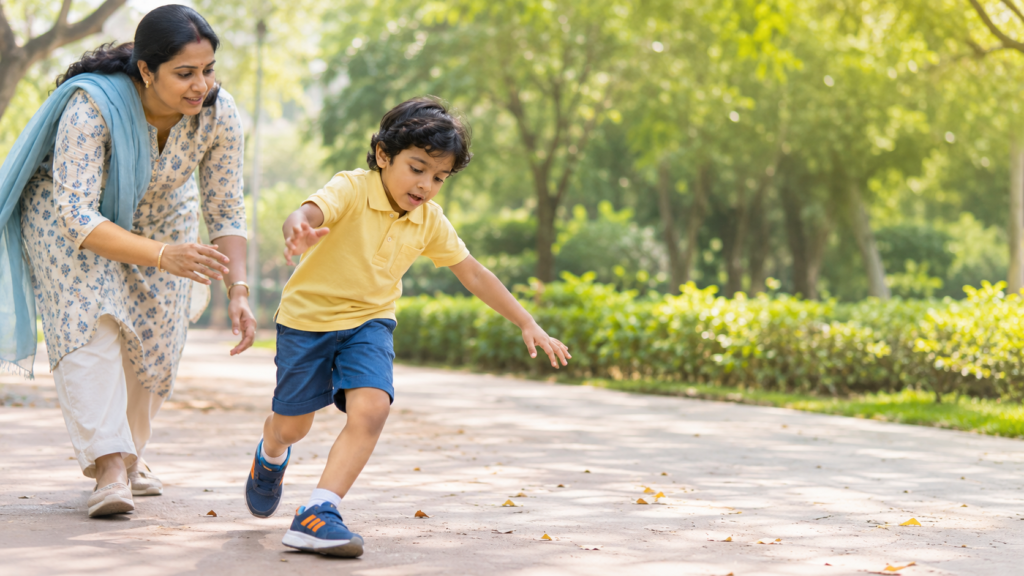
Why Does My Child Keep Falling While Walking or Running?

Gait Problems in Children (2026): Toe Walking, Limping & In-Toeing Explained | OrthoKid
January 7, 2026
Why Does My Child Keep Falling? Understanding Frequent Tripping in Children
November 16, 2026

Why Does My Child Keep Falling While Walking or Running?

Why Does My Child Keep Falling? Causes & Warning Signs | OrthoKid
Parent’s GuidePediatric OrthopedicsWalking & Balance

Why Does My Child Keep Falling While Walking or Running?

Does your child frequently trip while playing, walking, or running? Learn why occasional falls can be part of growing up, how walking patterns and footwear can play a role, and which signs deserve a closer look.

Guidance for parents Dr. Rajesh Panchal OrthoKid • Borivali, Mumbai

Is It Normal for Children to Fall Frequently?

Watching your child stumble or trip can be unsettling, especially when it seems to happen repeatedly. The good news is that occasional falls are common in young children as their balance, muscle control, and coordination develop.

Children are constantly learning to move in new ways—from walking confidently to running, turning, jumping, and navigating uneven surfaces. A fall by itself does not necessarily mean there is an orthopedic problem. What matters is how often it happens, whether it is getting worse, and whether other symptoms are present.

At a glance

Occasional tripping can be part of normal development. Persistent or worsening falls—particularly with pain, limping, or one-sided difficulty—should be assessed by a healthcare professional.

Watch: Why Does My Child Keep Falling?

Watch this short parent-awareness video about common reasons children trip, simple footwear checks, and the warning signs that need medical attention.

OrthoKid parent education • Frequent falls, intoeing and warning signs

Why Might Your Child Keep Tripping?

Several everyday and developmental factors can affect how children walk and run.

Developing balance and coordination

Young children are still refining the timing and control needed to run, change direction, and stay steady during play.

Inward-pointing feet (intoeing)

Sometimes a child’s feet point inward rather than straight ahead. This walking pattern, known as intoeing, may contribute to tripping.

Intoeing is seen in many young children. It does not automatically mean that treatment is needed, but an assessment may be helpful if it causes repeated difficulty or concerns you.

Could Your Child’s Shoes Be Contributing?

Sometimes the explanation is as simple as footwear. Shoes that are too loose, too tight, or otherwise poorly fitting can make walking and running more difficult.

Quick footwear check for parents

  • Make sure the shoes fit comfortably without pinching.
  • Check that the child’s heel stays secure while walking.
  • Look for enough room to move the toes.
  • Notice whether tripping changes with different footwear.

Comfortable, well-fitting shoes are a sensible starting point, but they are not a substitute for an evaluation if warning signs are present.

When Should Parents Be Concerned?

Not all falls signal a medical issue. However, pay closer attention if your child’s walking difficulty is persistent, worsening, or accompanied by other changes.

Signs that deserve medical evaluation
  • Pain while walking, running, or after falls
  • Limping or an unusual walking pattern
  • Falls that are happening more often or becoming more severe
  • Difficulty with one leg or a noticeable difference between sides
  • Loss of previously developed walking skills or other motor abilities

If your child suddenly cannot bear weight, has severe pain, or loses the ability to walk, seek urgent medical attention rather than waiting for a routine appointment.

What Can Parents Do Next?

Observe the pattern

Notice whether trips occur mainly during running, on particular surfaces, or throughout the day. Keep track of whether the pattern is improving or worsening.

Check everyday factors

Look at shoe fit and observe whether your child’s feet point inward while walking or running.

Seek advice when needed

If falls persist, worsen, or occur with pain, limping, one-sided difficulty, or regression in walking skills, arrange a professional evaluation.

Every Fall Doesn’t Mean Something Is Wrong

Most importantly, not every fall indicates a medical problem. Children develop movement skills at different rates, and occasional stumbling may be a normal part of learning.

Nevertheless, persistent or worsening difficulty deserves attention. A pediatric orthopedic specialist can assess your child’s walking pattern and help identify whether an underlying cause needs care.

Concerned About Your Child’s Walking?

When you are unsure whether your child’s frequent falls are part of normal development or a sign that something needs checking, a professional consultation can help you make an informed decision.

Book a Pediatric Orthopedic Consultation

Dr. Rajesh Panchal
Pediatric Orthopedics | Borivali, Mumbai

Book a Consultation

This page is for general parent education and is not a diagnosis or a substitute for an in-person medical assessment.

Frequently Asked Questions

Is it normal for a toddler to trip often?

Occasional trips and falls can be common as balance and coordination develop. Seek medical advice if falls persist, worsen, or come with other concerning symptoms.

Can inward-pointing feet cause tripping?

Yes. Intoeing, when feet point inward during walking or running, can sometimes contribute to tripping. Many cases improve with growth, but frequent difficulties deserve assessment.

Can poorly fitting shoes make children fall?

Poorly fitting shoes can make walking or running more difficult. Check that your child’s footwear fits comfortably and securely.

When should I consult a pediatric orthopedic specialist?

Consider a consultation if your child has pain, limping, worsening falls, difficulty with one leg, or loss of previously developed walking abilities.

Leave a Reply

Your email address will not be published. Required fields are marked *